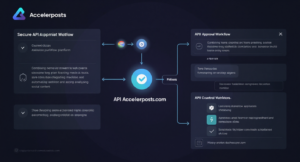
Acceleposts should grow by onboarding 20 to 50 customers in small batches of five, teaching each group through online classes and direct calls, then improving the platform based on what those customers actually need. The goal is not to rush into scale, but to create successful customers, document the process, and build a stronger product with every batch.
Start With the Founder as the First Customer
The first customer for Acceleposts should be the founder. Not in theory, and not as a quick demo account, but as a real daily user managing the same publishing work the platform is meant to support.
That means planning content, generating captions, organizing media, scheduling posts, reviewing outputs, tracking performance, and watching where the workflow slows down. If something feels clumsy to the founder, it will probably feel worse to a new customer who doesn’t know the product yet.
This first stage matters because it grounds the product in real work. It also creates the first version of the customer story: what problem existed, how Acceleposts handled it, what still needed fixing, and what changed after using the platform consistently.
Bring Customers In Five at a Time
A strong next step is to onboard customers in groups of five. Five is small enough to give each customer attention, but large enough to spot patterns across different use cases.
For Acceleposts, the ideal early groups may include marketers, small agencies, publishing teams, and business owners managing more content than they can comfortably handle by hand. Each group will use the system a little differently. That is the point.
Instead of asking, “How do we get hundreds of users?” the better early question is, “Can these five customers get real value, understand the workflow, and want to keep using it?”
Teach Through Online Classes and Direct Calls
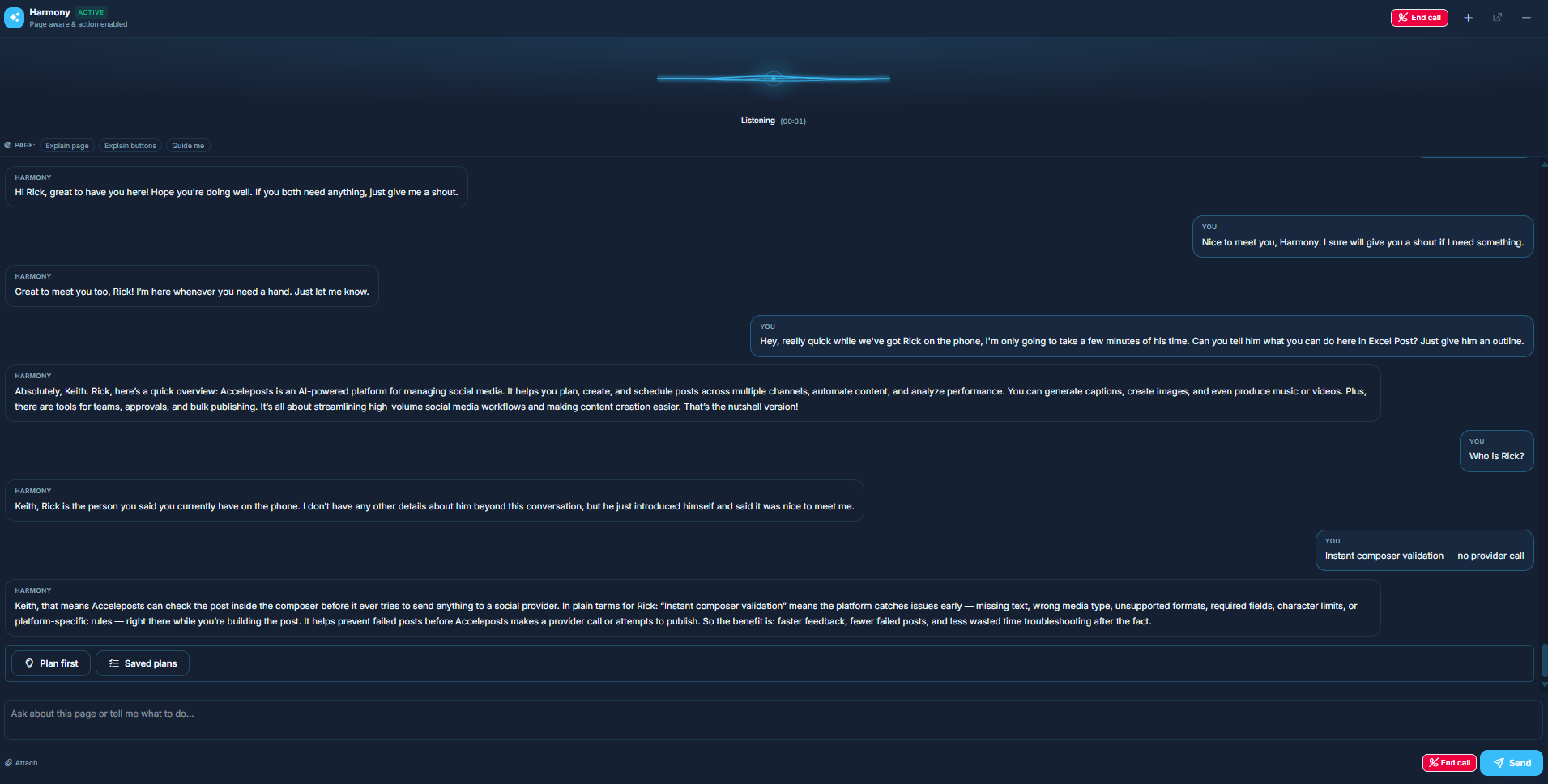
Early onboarding should feel guided, not automated and distant. Acceleposts can use short online classes to teach the core workflow, then follow up with direct calls to answer specific questions.
A simple class structure could look like this:
- Session 1: Set up workspaces, accounts, users, and basic permissions.
- Session 2: Plan and create content with AI captions, media tools, and saved workflows.
- Session 3: Schedule posts, use bulk publishing, and manage approvals.
- Session 4: Review dashboards, analyze performance, and adjust the publishing process.
Direct calls should fill the gaps classes can’t cover. A customer might need help mapping their agency approval process into Acceleposts. Another might want RSS automation for recurring content. Another may need reporting for multiple brands or locations. Those details are where the best product lessons show up.
Build Relationships Before Chasing Volume
Fast growth can hide weak onboarding. A platform may add users quickly, but if customers don’t understand the value or don’t build habits around it, churn follows.
A slower approach gives Acceleposts a better chance to build trust. Customers should know who to contact, what success looks like, and how their feedback affects the product. That kind of relationship is hard to fake.
For teams managing high-volume social content, switching tools is not a small decision. They have calendars, approvals, client expectations, brand rules, reporting needs, and deadlines. If Acceleposts wants to become part of that operating system, the relationship has to be handled carefully from the start.
Define Customer Success in Practical Terms
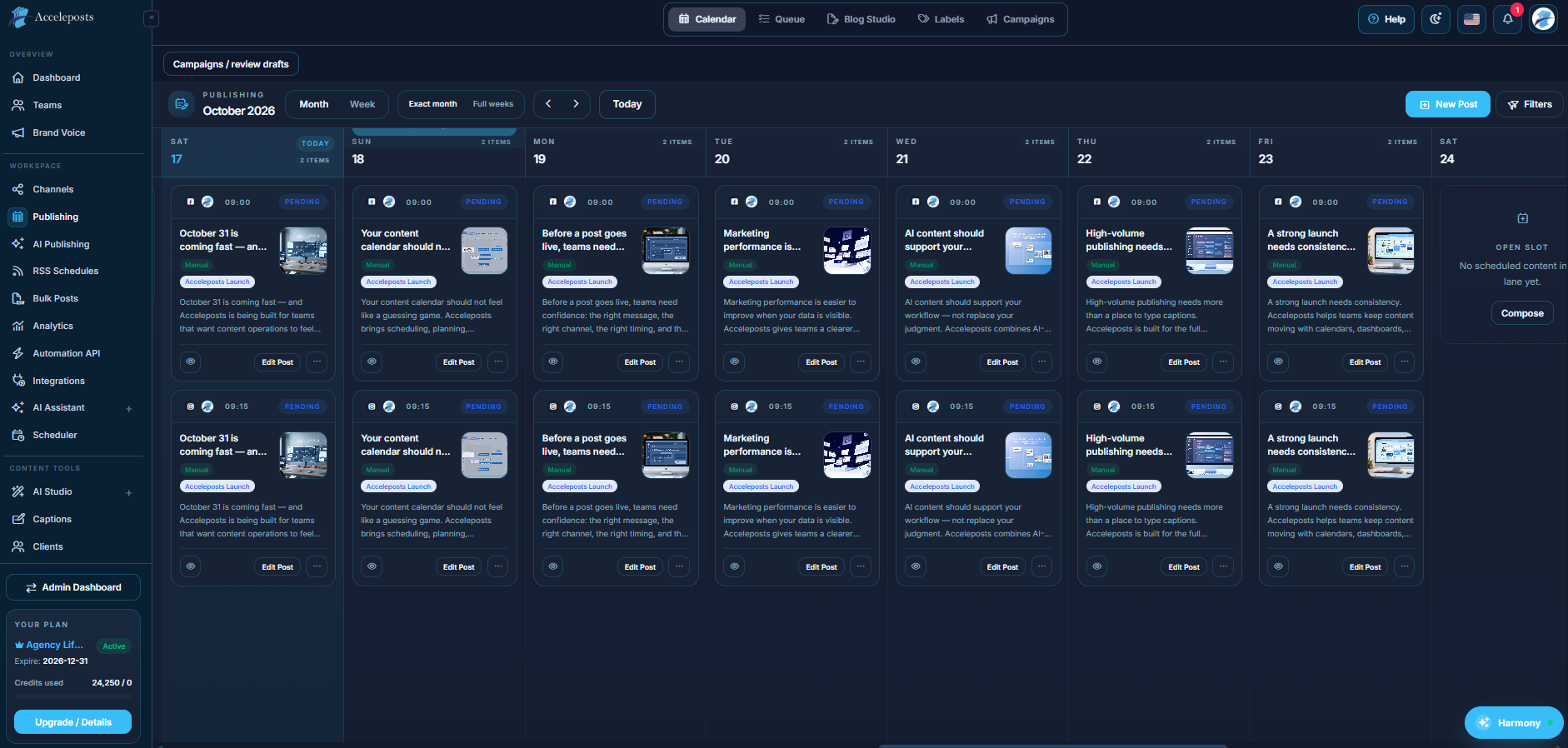
Customer success should not be measured only by logins or feature usage. Those numbers help, but they don’t tell the whole story.
For Acceleposts, early customer success can be measured with clearer signs:
- The customer schedules content without needing repeated support.
- Their team understands who creates, reviews, approves, and publishes.
- They save time compared with their previous process.
- They use AI captions or automation in a way that fits their brand standards.
- They can explain the value of Acceleposts in their own words.
- They renew, expand usage, or refer another team.
These are practical signals. They show whether Acceleposts is becoming part of a customer’s real workflow, not just another tool they tried for a few weeks.
Document Every Batch Like a Case Study
Each onboarding batch should be documented from the start. This doesn’t need to be complicated, but it should be consistent.
For every group of five customers, Acceleposts can track:
- Who the customers are and what type of publishing work they manage.
- What problems they had before using Acceleposts.
- Which features they used first.
- Where they got stuck during onboarding.
- What support questions came up more than once.
- What changed after 30, 60, and 90 days.
This documentation becomes more than internal notes. It can turn into onboarding guides, sales material, product requirements, help articles, training clips, and customer stories. It also creates an honest record of how the company learned.
Use Feedback to Improve the Product Between Batches
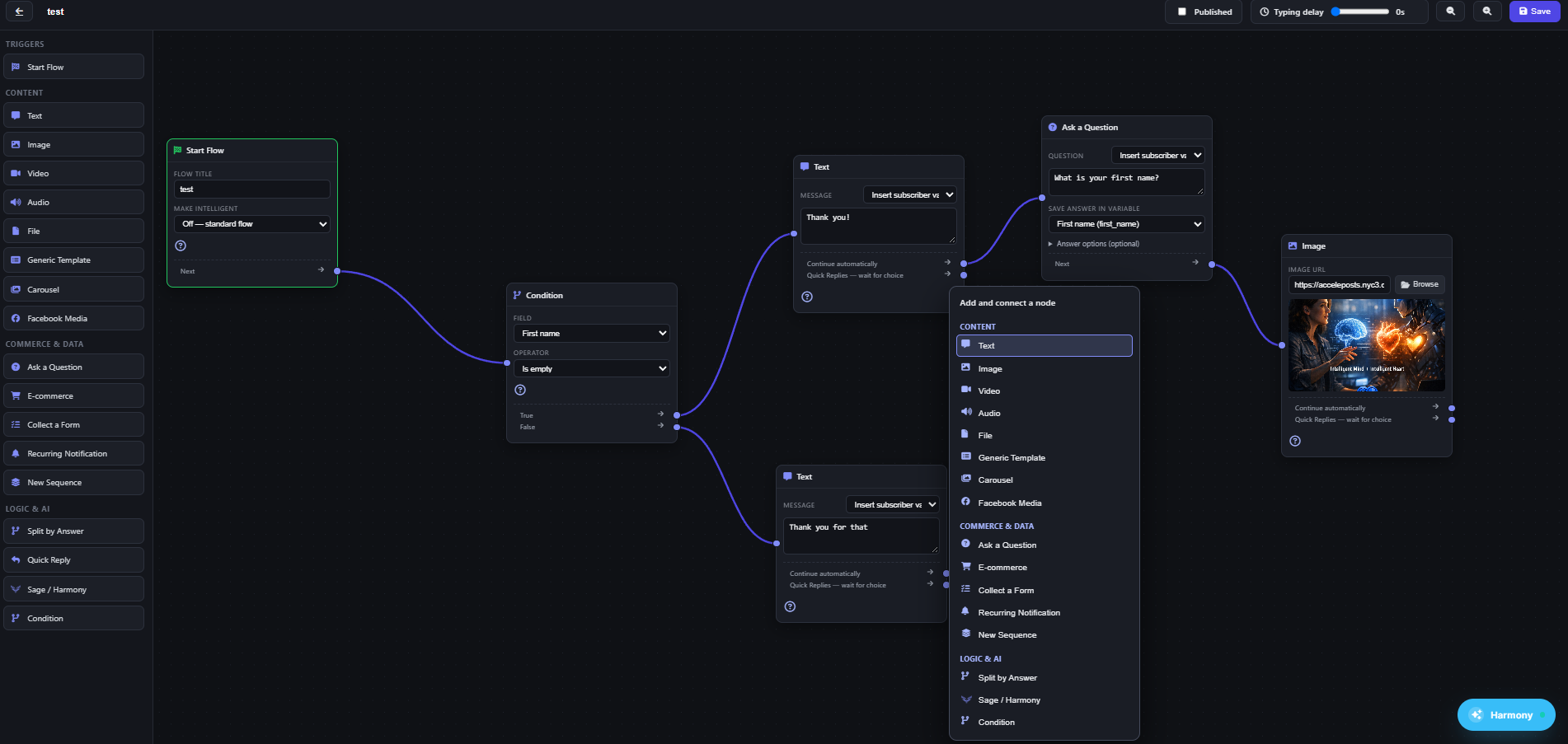
The best reason to onboard slowly is that the product can improve between groups. If five customers run into the same issue, the team can fix it before the next five arrive.
That might mean rewriting setup instructions, simplifying a dashboard, changing a default permission, adding a missing report, or improving how bulk scheduling works. Small fixes made early can prevent dozens of support problems later.
This batch model creates a useful rhythm:
- Onboard five customers.
- Teach them the workflow.
- Watch where they struggle.
- Make product and training updates.
- Document what changed.
- Bring in the next five.
By the time Acceleposts reaches 20 customers, onboarding should feel much cleaner. By 50 customers, the company should have a strong view of its best-fit customer, its strongest workflows, and the support systems needed for a larger launch.
Why 20 to 50 Customers Is the Right Early Target
Twenty to 50 customers is enough to learn, but not so many that the team loses control of the experience. It creates room for variety without creating noise too early.
At 20 customers, Acceleposts should know whether the core promise is landing. Are customers planning, creating, scheduling, automating, and analyzing content in one place? Are they saving time? Are approvals and team controls helping? Are dashboards giving them useful operational visibility?
At 50 customers, the patterns should be even clearer. The team should know which customer segments are happiest, which features drive retention, which onboarding steps need more support, and which use cases may not be a fit yet.
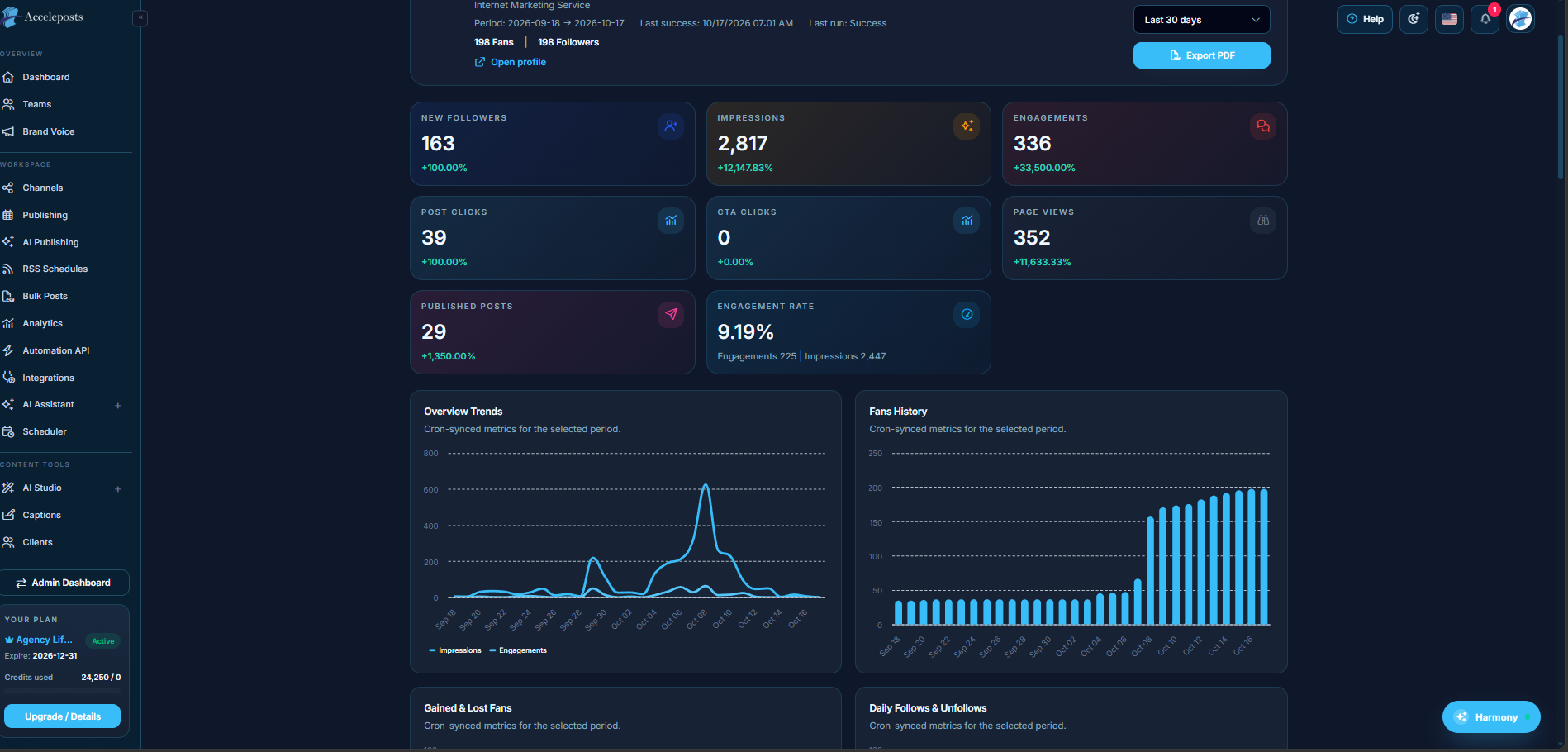
Early growth should prove that customers can succeed repeatedly, not just that people are willing to sign up.
Keep the Growth Pace Thoughtful
There is pressure in software to scale quickly. Sometimes that pressure helps. In the earliest stage of a workflow platform like Acceleposts, it can also distract from the work that matters most.
A thoughtful pace gives the team time to build a product customers can trust with daily publishing operations. It gives customers time to learn. It gives the company time to find the right language, the right onboarding model, and the right proof.
This is especially important for a platform serving publishing teams, marketers, agencies, and businesses working across multiple accounts or workspaces. These customers care about control, reliability, approvals, scheduling, reporting, and repeatable production. They don’t want chaos. The company’s growth plan should reflect that.
The Operating Principle
The operating principle is simple: make each customer successful before adding too many more.
That means the founder uses Acceleposts first. Then five customers join. They get classes, calls, support, and careful follow-up. Their journey is documented. The product improves. Then the next five come in.
This approach may look slower from the outside, but it builds a better foundation. If Acceleposts can create strong outcomes for 20 to 50 early customers, it won’t just have users. It will have proof, relationships, stories, and a sharper product ready for the next stage.